

Lovable
An open-source audience became a self-serve market—and then an enterprise buying journey.
Deep research 11 sources
The first customer. The right motion. The people who made it repeatable. Explore the go-to-market decisions behind startup growth—and the evidence behind the story.
Company growth, examined through The Revenue Engine.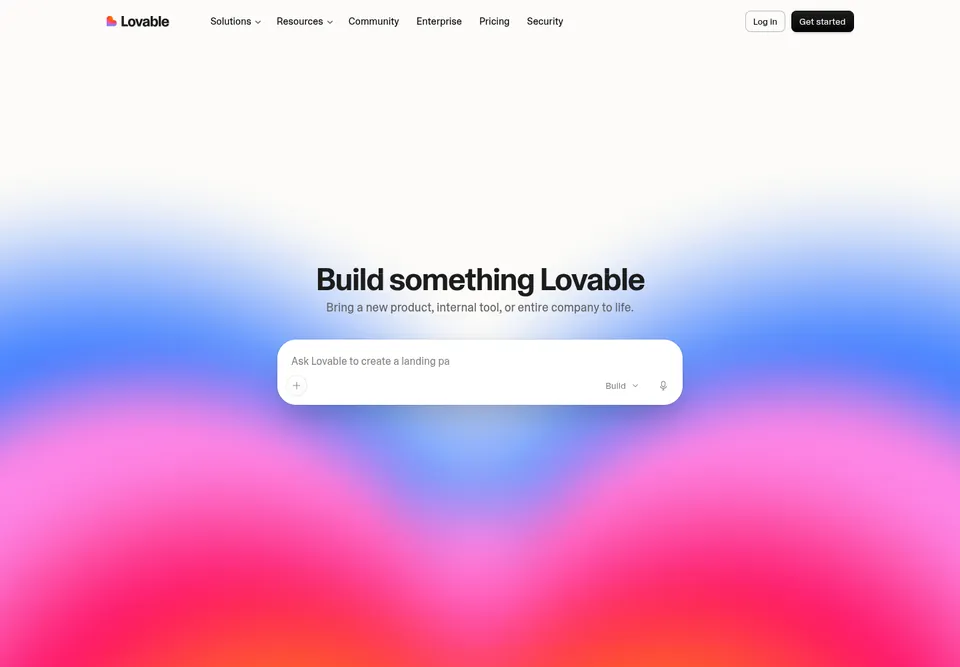
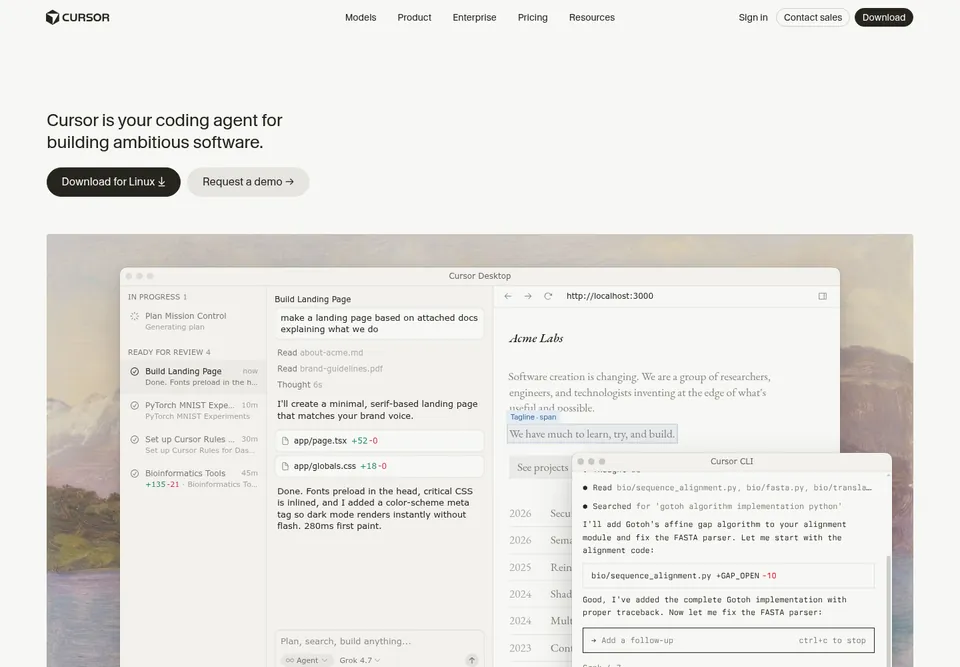
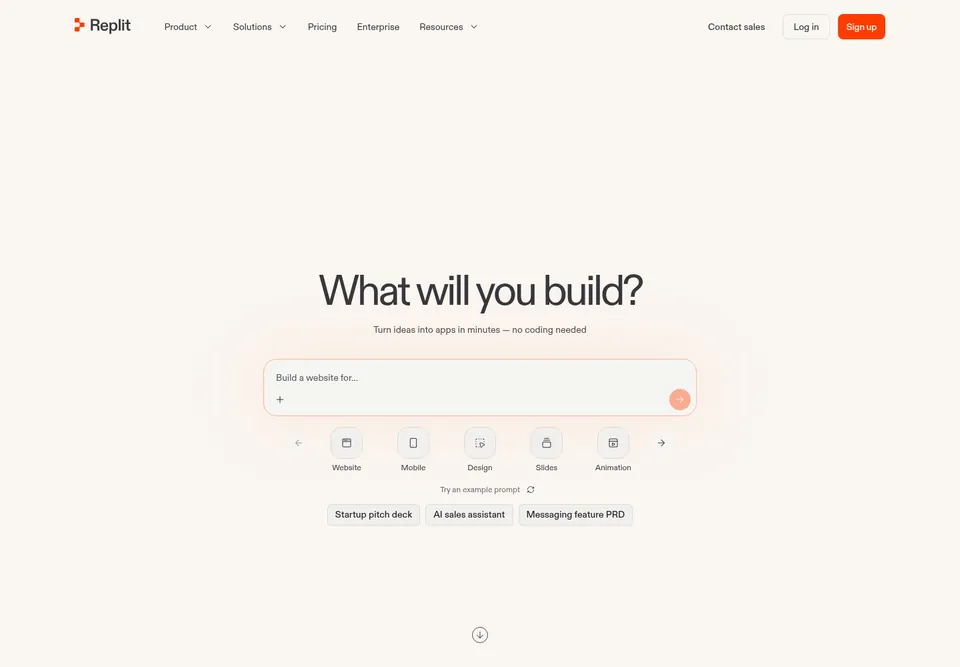
Product adoption is the beginning. Follow what happens when a team must turn attention into payment, retention, and expansion.
An open-source audience became a self-serve market—and then an enterprise buying journey.

A developer-loved editor became an enterprise revenue engine

A creator demo became an enterprise deployment business

The browser removed setup friction; the agent widened the buyer; self-serve enterprise kept the purchase fast.

A useful answer earned attention; distribution and enterprise workflows had to earn revenue

From an autonomous-engineer demo to a deployed enterprise workforce
All 19 extended cases Lovable ElevenLabs Perplexity Manus Cognition Kling AI Crusoe Midjourney Higgsfield Lightning AI Replit Baseten Lambda Fireworks Together AI Surge AI Scale Mercor Cursor
Explore all 19 AI companiesUse the Revenue Engine lens to separate how customers discover a product from how they decide to buy it.
Product use carries the customer toward a purchase.
218 companies 02A person helps the buyer evaluate and commit.
282 companies 03Marketing creates enough conviction for direct purchase.
89 companies 04Another organization helps originate or close the sale.
129 companiesBrowse by pattern Land and expand (75) Developer adoption (34) Founder-led sales (31) Usage-based pricing (27) Freemium (21) Technical customer success (20) Enterprise sales (18) Community (17) Open source (13) Customer education (12) Partner ecosystem (9)
A strategy can work because of timing, founder access, unusual economics, or a narrow beachhead. Each case separates the observed mechanism from our interpretation of why it worked.
Read the cross-case analysis →Short company explainers, plain definitions, and answers to the questions behind a revenue engine.
580 to 628 words on each company’s customers, motion and commercial choices.
280 DEFINITIONSFrom beachhead and buying committee to retention, pricing and unit economics.
104 QUESTIONSPractical answers that link back to the framework and the company evidence.
GTM Unpacked is a source-linked research library on how companies acquired customers and built their go-to-market. It covers 339 companies (19 extended cases and 320 shorter source-backed briefs, 96 of them partial evidence briefs), with 916 linked sources and 600 people entries, examined through the ten-step framework of Disciplined Entrepreneurship: The Revenue Engine.
Every company is accounted for. Extended cases and shorter briefs are labeled separately. Missing evidence remains visible; revenue figures are dated and attributed, never presented as verified ARR.